Guide to Finding the Appropriate General Contractor for Your Next Home Project
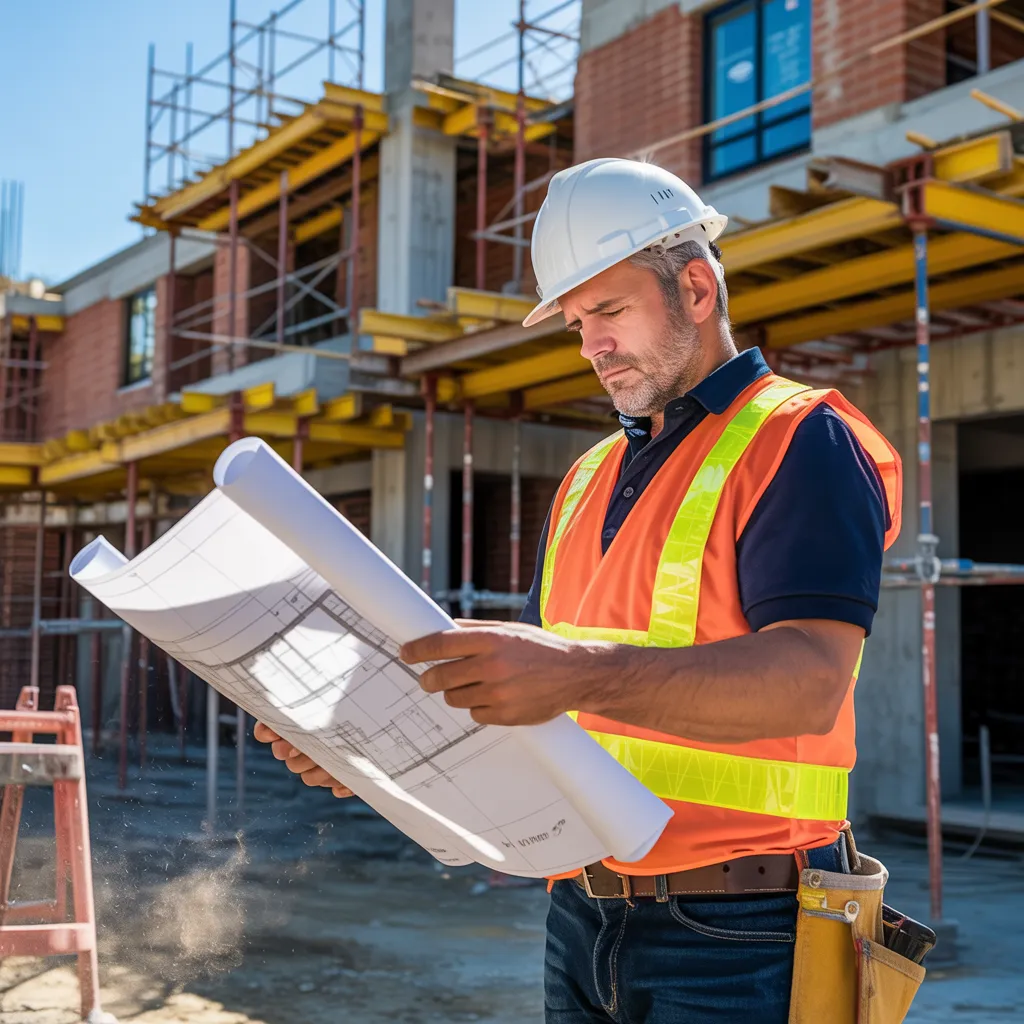
Finding the most suitable general contractor for your home project is a vital choice. It entails detailed consideration of numerous factors, including professional experience, certifications, and listening and responding abilities. Countless homeowners neglect important points, leading to major financial setbacks. Recognizing how to evaluate candidate professionals can make all the difference. By emphasizing core criteria and asking pertinent questions, you can move through this complex situation more effectively. What are the critical actions to verify a successful partnership?
How to Steer Clear Of Frequent Issues When Hiring a Construction Professional
When choosing a builder, how can one navigate the wide array of options without encountering usual errors? Prospective clients often ignore crucial factors that can result in disappointing consequences. First, depending just on the price can be confusing; the lowest price may reflect inferior quality or hidden costs. Additionally, failing to look at references or internet feedback can lead to hiring a contractor with a poor track record. It is also necessary to avoid choosing solely because of charm; a likable contractor may not possess the necessary skills or reliability. Moreover, failing to establish clear communication and expectations can cause confusion and disappointment. Finally, neglecting to carefully read agreements before signing can bring about unanticipated duties or weak protections. By being alert and aware, homeowners can make better choices, finally achieving a positive result.
Essential Aspects to Verify in a Contractor's Experience
When evaluating a contractor expertise, multiple crucial considerations are at play. Experience with related projects, industry certifications, and an broad body of delivered projects function as essential markers of their competencies. Evaluating these factors can deliver valuable insights into the contractor's appropriateness for the specific project at hand.
Applicable Project Background
Recognizing a contractor's relevant expertise is vital for ensuring the triumph of any building endeavor. Interested clients should examine the contractor's body of work, focusing on completed projects matching in scope and style to their own. This means examining the quality of workmanship, adherence to timelines, and budget management in former undertakings. Additionally, it is beneficial to question about the types of materials used and the contractor's familiarity with local regulations and standards. Testimonials and citations from earlier clients can provide insights into the contractor's dependence and people skills. Ultimately, a contractor with extensive applicable experience can handle challenges effectively, ensuring the project achieves the homeowner's preferences and standards.
Industry Certifications And Licenses
Certification and licensing serve as critical markers of a contractor's professionalism and expertise in the construction industry. When choosing a general contractor, it is vital to verify that they have the necessary licenses mandated by local and state regulations. These licenses show compliance with building codes and safety standards. Additionally, industry certifications, such as those from the National Association of Home Builders or similar organizations, indicate a contractor's commitment to quality and ongoing education. Contractors with specialized certifications may also possess skills in specific areas, such as green building or remodeling. Ensuring that a contractor has the appropriate credentials not just enhances confidence in their capabilities but also minimizes potential legal and financial risks during the project.
Portfolio Of Executed Work
A contractor's portfolio containing completed work functions as an key asset for measuring their experience and competencies. This selection should showcase a variety of projects, demonstrating adaptability in different styles and complexities. When reviewing a portfolio, potential clients should pay attention to high-quality images that distinctly depict the skill involved. It is also useful to see projects that match the homeowner's specific needs or style choices. Attention to detail, creative approaches, and meeting deadlines are key indicators of a contractor’s competence. Additionally, client testimonials or case studies within the portfolio may provide more insights into the contractor's professionalism and reliability. Ultimately, a comprehensive portfolio helps homeowners take well-informed decisions regarding their forthcoming projects.
Methods to verify Your Contractor's Qualifications and Licenses
Checking a general contractor's credentials and licenses is vital before hiring them to confirm they fulfill industry standards. Start by verifying with state licensing agencies that the contractor possesses the required permits applicable to your area and project type. Since each state has distinct requirements, understanding these can avert future issues.
Furthermore, ask about insurance policies, including liability and workers' compensation, to guarantee protection against possible accidents or damages. Request references from past clients and follow up access resource to assess satisfaction and reliability.
In conclusion, assess any licenses the contractor may possess, as these often suggest expert knowledge and adherence to industry best practices. A careful review process not only guarantees compliance but also instills confidence in the contractor's ability to complete the project successfully.
Why Open Communication Is Vital in Your Contractor Professional Relationship
Effective communication plays a pivotal role in the contractor-client relationship, determining the project's success from the outset. Clear dialogue establishes expectations, timelines, and budgets, guaranteeing both parties are aligned on the project's goals. When clients express their vision effectively, contractors can provide informed suggestions and solutions, improving the overall outcome.
Periodic updates and open avenues of dialogue allow efficient resolution of matters as they arise, reducing potential delays. Furthermore, a contractor who receives and acts on customer input nurtures trust, which is essential for collaboration.
Furthermore, efficient dialogue assists with managing changes and unexpected challenges, keeping the project on track. It permits the builder to modify approaches based on client direction, guaranteeing contentment throughout the engagement. Ultimately, focusing on communication not only strengthens the professional-homeowner bond but also significantly contributes to the successful finishing of the home renovation.
Key Queries to Raise to Your Contractor in Initial Appointments
When meeting early on with a contractor, clients need to focus on their qualifications. It's essential to ask about the project timeline and budget to confirm alignment with the client's needs. These questions establish a foundation for a strong partnership and smooth project management.
Experience and Qualifications
Choosing a main builder copyrights on grasping their experience and skills. Homeowners should ask about the contractor's length of service and the variety of assignments they have undertaken. Key inquiries about legal permits, certifications, and insurance are necessary, as these guarantee compliance with local regulations and offer safety throughout the work. Furthermore, reviewing past work through collections of work or references can provide a perspective into the contractor's craftsmanship and trustworthiness. It is also useful to query about their familiarity with similar projects, as this can demonstrate their capability to face particular obstacles. Ultimately, assessing a contractor's skills and background inspires assurance and helps homeowners make informed decisions about their home projects.
Project Schedule and Expenditure
How can homeowners guarantee their undertaking remains on budget track and temporally when meeting with a general contractor? To preserve consistency, they should ask significant questions during initial meetings. Homeowners must ask regarding the projected schedule for completion of the work and any potential delays that could arise. Comprehending the contractor's approach to managing schedules is crucial. Additionally, discussing the budget upfront is vital; homeowners should obtain clear information on pricing estimates, payment schedules, and any included contingencies for unforeseen expenses. Inquiring into past work can offer understanding into the contractor's dependability in hitting timelines and maintaining budget constraints. By creating open dialogue regarding timelines and finances, homeowners can cultivate a productive relationship with their contractor, improving the likelihood of a successful project.
What tactics should one pursue to guarantee a general contractor is reliable? First, it is fundamental to seek a list of sources from potential contractors. A reputable contractor will happily provide names and contact information of previous clients. One should call these references to explore their experiences, zeroing in on aspects such as communication, work standards, and adherence to timelines.
Additionally, checking online feedback on sites like Google, Yelp, or Angie's List can provide valuable insights. It is important to look for patterns in the reviews—consistent praise or criticism can suggest reliability or potential issues.
Moreover, checking for any issues lodged with local regulatory agencies or consumer protection agencies can expose a contractor's track record. Finally, requesting latest project pictures can assist in assessing the quality of their services. By following this process, one can make a more educated decision when hiring a building contractor.
Grasping Independent Professional Pricing Models and Payment Arrangements
Homeowners should also understand common payment terms. Most contractors require a initial deposit, accompanied by progress payments aligned with project milestones. It's vital to discuss these terms before committing to an agreement to prevent confusion. Additionally, homeowners should ask about possible extra expenses, such as permits or surprise repairs. Transparent dialogue regarding fees and payment conditions will create a straightforward business partnership, ultimately generating a positive project outcome. Understanding these aspects gives homeowners the ability to make smart choices when hiring a general contractor.
Regularly Asked Questions
How much time will the undertaking take to finish?
The timeline of the project tends to vary according to complexity and scope. As a rule, completion may require several weeks to months. Climate factors, availability of materials, and workforce resources can have a major effect on when the project finishes.
What Transpires if Unforeseen Problems Occur During Construction?
If unexpected issues arise during construction, the builder typically evaluates the circumstances, discusses with the homeowner, and proposes solutions. Modifications to the timeline and budget may be required, ensuring openness throughout the project.
Will My Project Call for Permits or Inspections?
Most projects call for inspections plus permits to ensure conformity with local building codes. It is necessary to consult with a general contractor who knows these requirements, as they can traverse the permitting process effectively.
What Is Your Approach to Handling Subcontractors and Their Payments?
A trustworthy general contractor oversees subcontractors by establishing clear contracts outlining compensation schedules. They ensure timely payments, maintain transparent dialogue, and track subcontractor performance, promoting a collaborative environment that aids in project success and productivity.
What Are Your Guidelines Regarding Project Revisions or Updates?
The contractor executes a accommodating strategy regarding project changes, requiring written documentation for any alterations. They affirm direct communication, review monetary ramifications, and adjust project schedules accordingly to accommodate the customer's evolving needs and interests.